Mobility made possible.

Liner:
Silcare™ Active
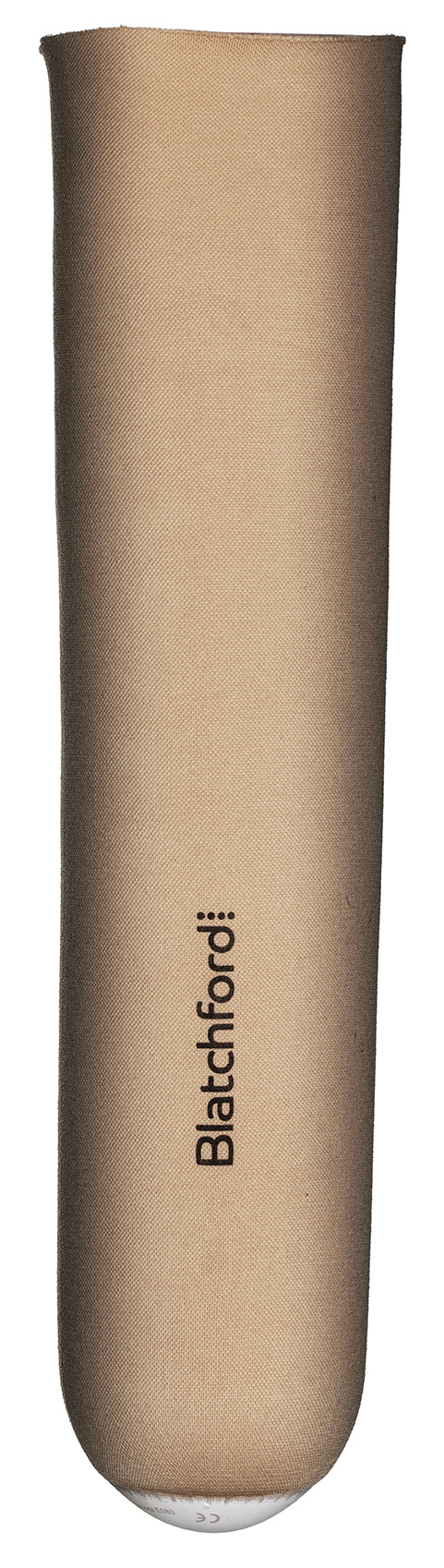
The Blatchford Silcare™ Active liner is designed for the more active wearer with a well covered residual limb who prefers a firmer interface and connection with their Prosthesis. Silcare Active protects residual limbs with areas susceptible to shear force abrasion and pressure peaks. The fabric cover with integrated matrix contours perfectly to the limb and zonal stretch areas allow comfortable knee flexion but resist distal stretch which would result in the prosthesis slipping away from the body.
Silcare™ Active uses a firmer silicone, making it suitable for more active users i.e. those who have an activity level of 3-4.
This product is suitable for wearers at the following activity levels...
- Activity level 3
- Activity level 4
Key Benefits
-
Reliable Fit
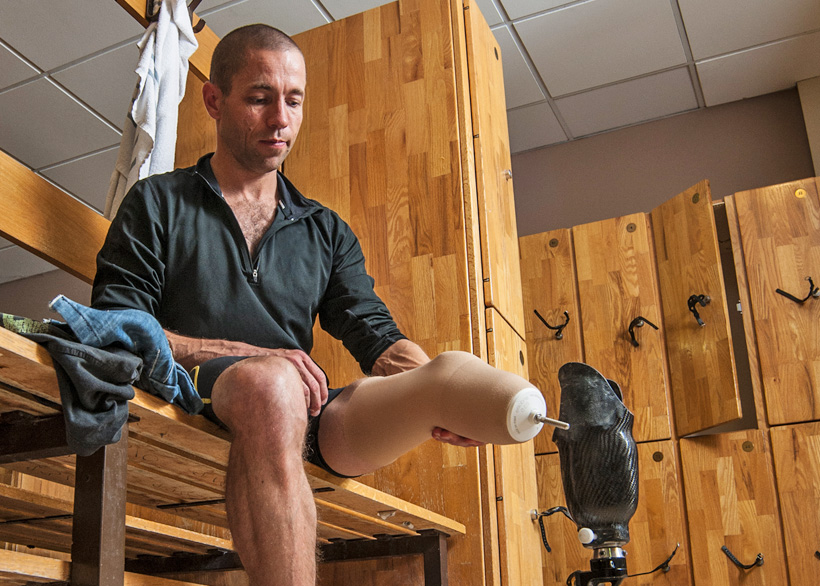
Firmer silicone allows a firmer connection between the residual limb and the liner.
-
Improved Comfort

Seamless knitting technology provides bi-directional stretch to improve comfort and contouring, and reduce shear force on the knee as it flexes. Use with a one-way valve on the socket helps to generate a better vacuum and more secure fit.
-
Reduced stress on skin
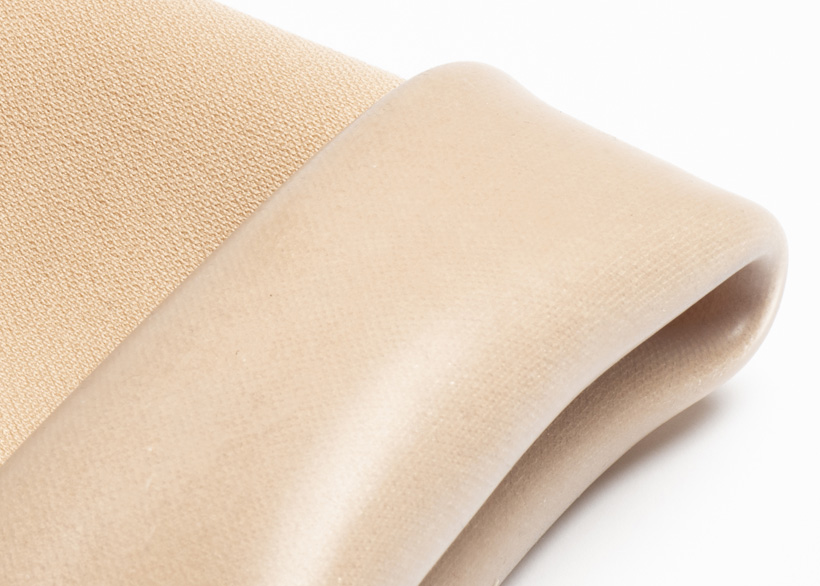
Tendresse™ finish provides a lower coefficient of friction than standard silicone, reducing shear stresses on the skin.
Available in both Cushion and Locking system
Cushion System
- Use in conjunction with a one way valve and airtight suspension sleeve helps to generate a better vacuum and more secure fit.
Locking System
- Uni-directional stretch distally resists pistoning whilst bi-directional stretch proximally
allows for comfortable knee flexion. - Locking system and unique one way valve create an airtight seal between the skin and
the inner surface of the liner. No separate suspension sleeve is required making knee
flexion easier, creating a cooler environment for skin and a more comfortable limb and
socket connection.
Blatchford Sleeves & Liners Measurement Guidelines
- Step 1:
The patient should position themselves safely and comfortably with the residual limb pointing towards the floor so residual tissue is hanging downwards. - Step 2:
Using the below limb, product and brand guidelines, determine where the measurements should be taken.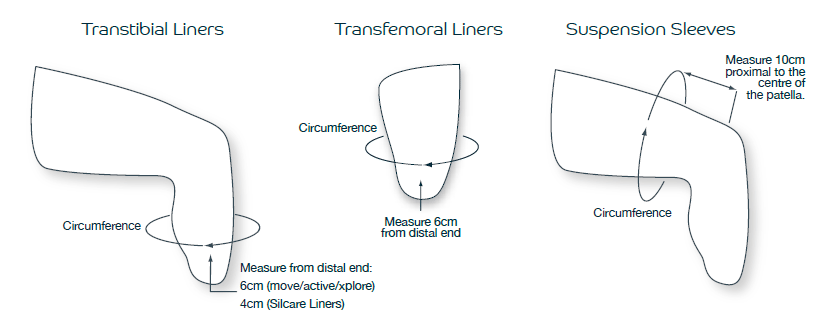
- Step 3:
Directed by the above positioning, lay a tape measure around the residual limb so that it is taught over the skin but not tight enough to leave any sort of indentation. - Step 4:
If the patient is measured between product sizes it is recommended to prescribe the lower of the two sizes. - Step 5:
Consider the length of the residual limb. A particularly long or short stump may mean fewer products are suitable