


Find out more about Linx
If you think the Linx limb system is right for your patient, we have great news - it’s available to order now!*
Don’t have a business account with us? Click here to register.

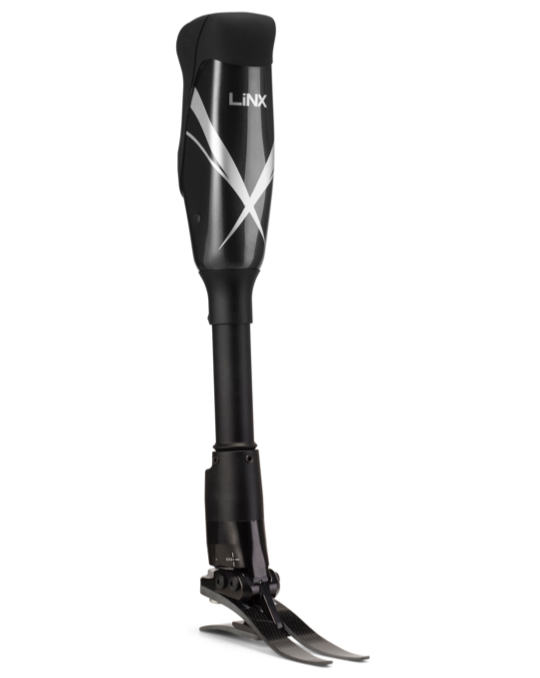
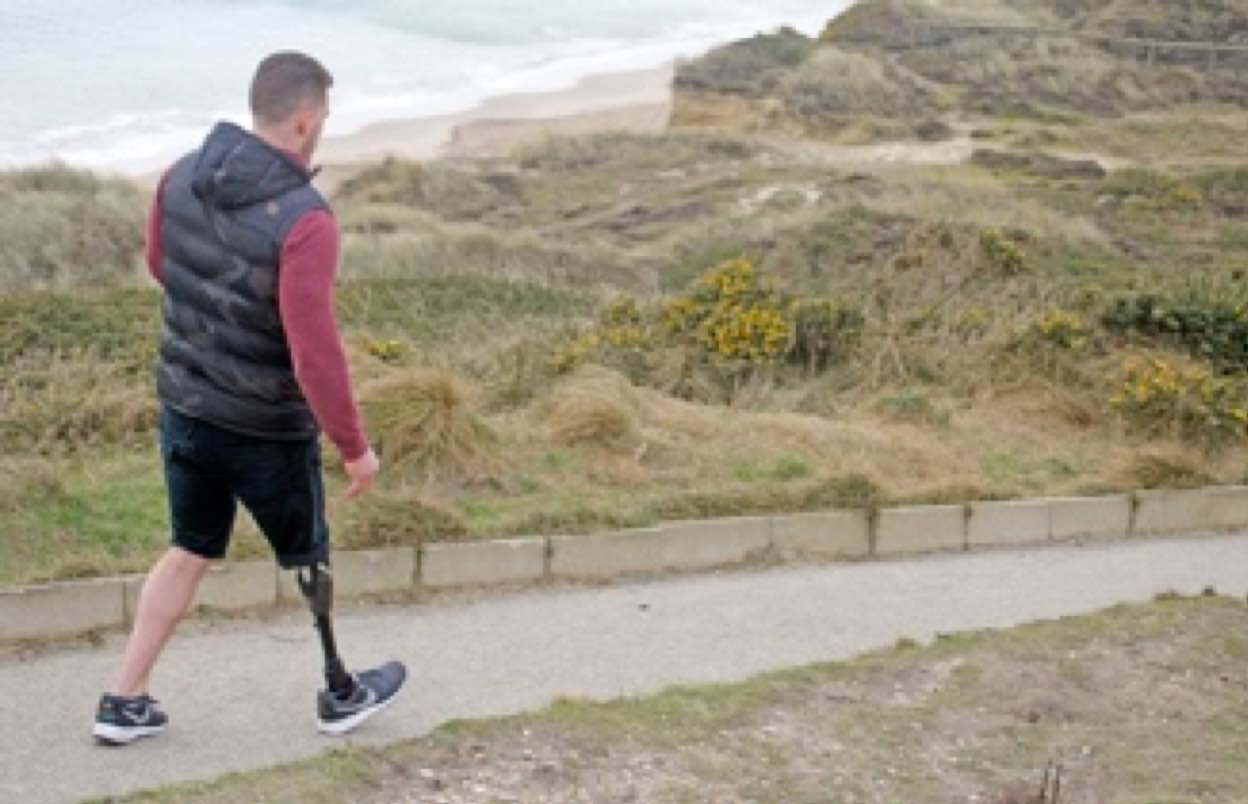
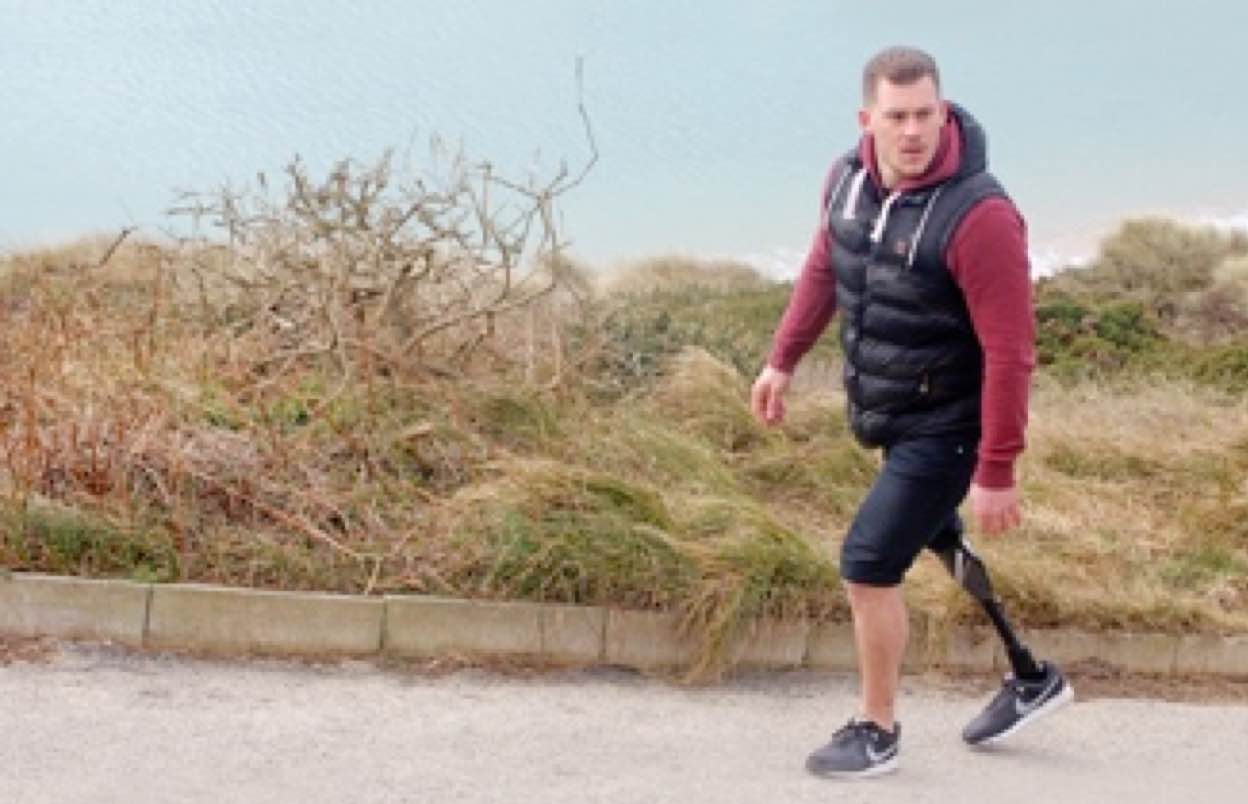
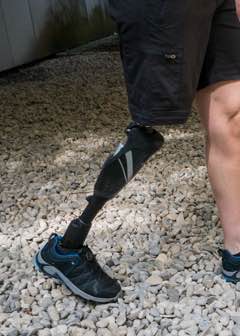
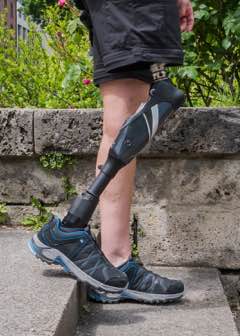
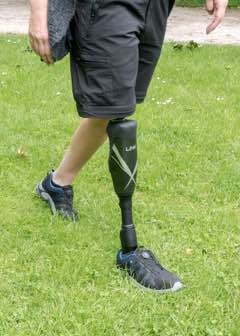
Linx is the world’s only fully integrated limb system and winner of multiple awards for design and innovation.
Working as one coordinated limb (knee & ankle), Linx delivers an experience that mimics the incredible and complex structure of the human leg by actively sensing and analysing data on the user movement, activity, environment and terrain providing a coordinated stream of instructions to the hydraulic support system. The result is a walking experience that is closer to nature than ever before.
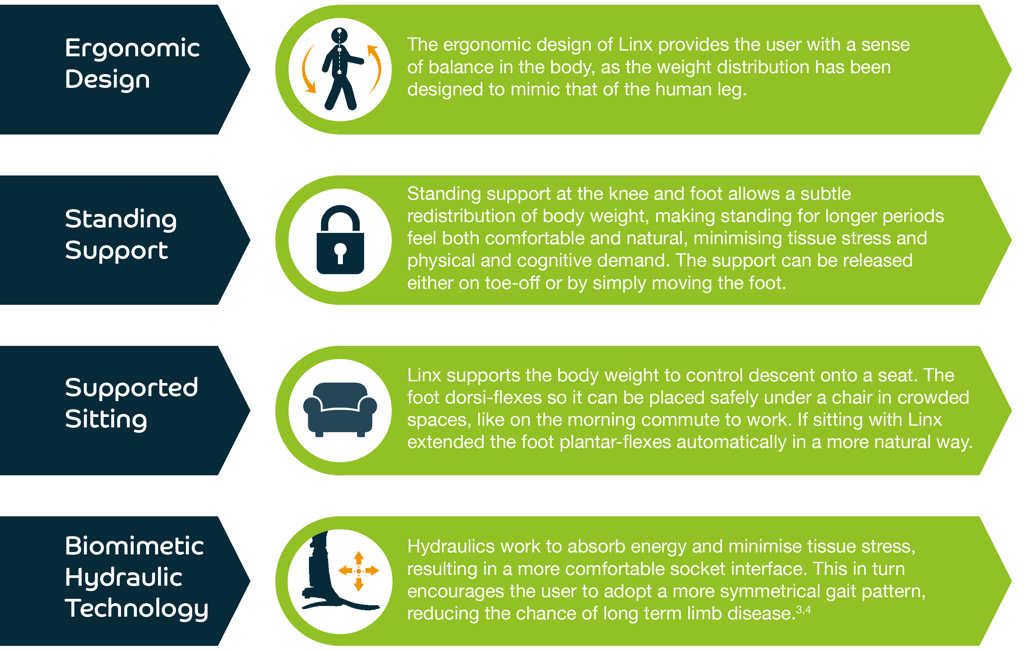
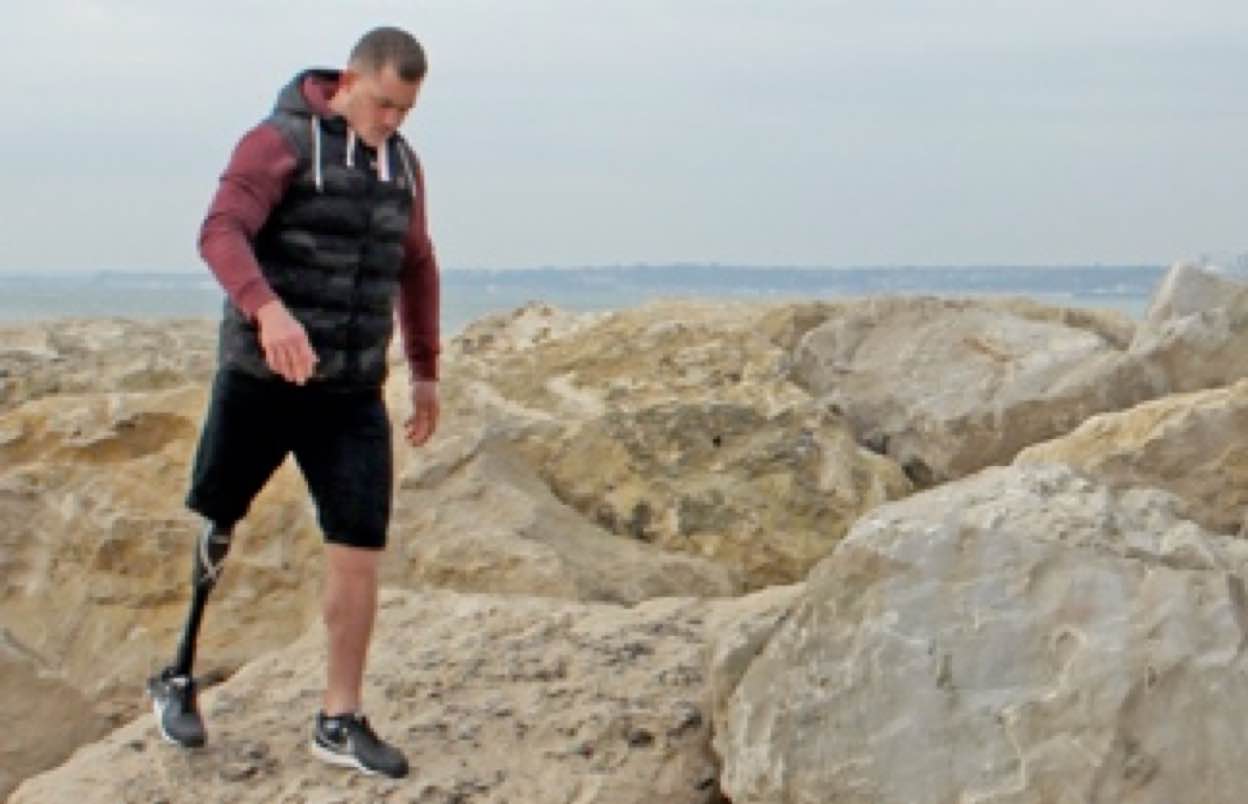
The varying levels of stance support that Linx provides helps to increase the user’s confidence and independence, reducing the risk of stumbles or falls to help ensure more balanced limb loading for greater long term health and protection. Linx provides optimal stance support, whether walking in a crowded environment, on uneven terrain, slopes, steps or when standing. This unique combination of the integrated stance support and hydraulic technology within Linx contribute to the user’s safety.
Amputees can face health issues long after amputation, with lower limb amputees being 2-3 times more likely to develop osteoarthritis compared to the general population.1
Long term musculoskeletal health depends on the replication of the dynamic and adaptive qualities of natural limb movement, and Linx is the world’s first lower limb prosthesis to incorporate a completely integrated response system to serve this user need.

Integrated sensors continually analyse data, adjusting the hydraulic technology to seamlessly align the leg for the next step. This integrated and coordinated limb response ensures fast adjustment times and easy navigation of slopes and steps, allowing the user to think about where they are going, rather than how they are going to get there.
Scroll down to see key features of the Linx Limb System 👇👇👇
If you think the Linx limb system is right for your patient, we have great news - it’s available to order now!*
Don’t have a business account with us? Click here to register.
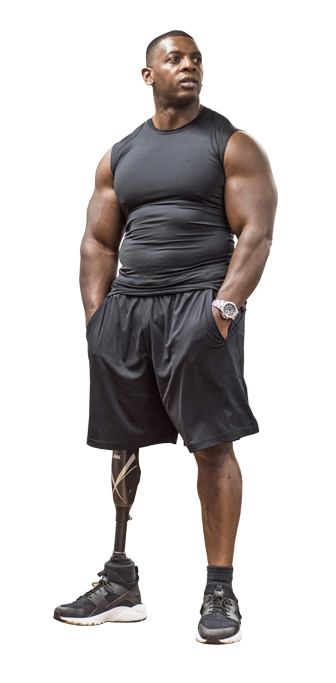
From Marine to Motivator: Pierre Sturgis’s Journey with the Blatchford Linx.
Life can change in an instant. For Marine Corps Staff Sergeant Pierre Sturgis, that moment came during his service when a gunshot wound to his femoral artery led to the amputation of his leg. It was a life-altering challenge, but instead of focusing on what he lost, Pierre made it his mission to rebuild—and inspire others along the way. Click the button below to read Pierre's case study.
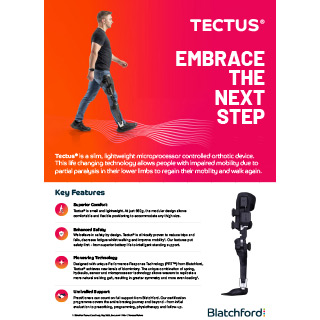
Madeline from Bergen became a wheelchair user in 2019 after complications from surgery left her paralysed on her left side. She was told she might never walk again. When she discovered Tectus®, she found hope – and with strength training and determination, she regained mobility and independence. Today, she can walk her dog, explore the outdoors, and spend time with friends.
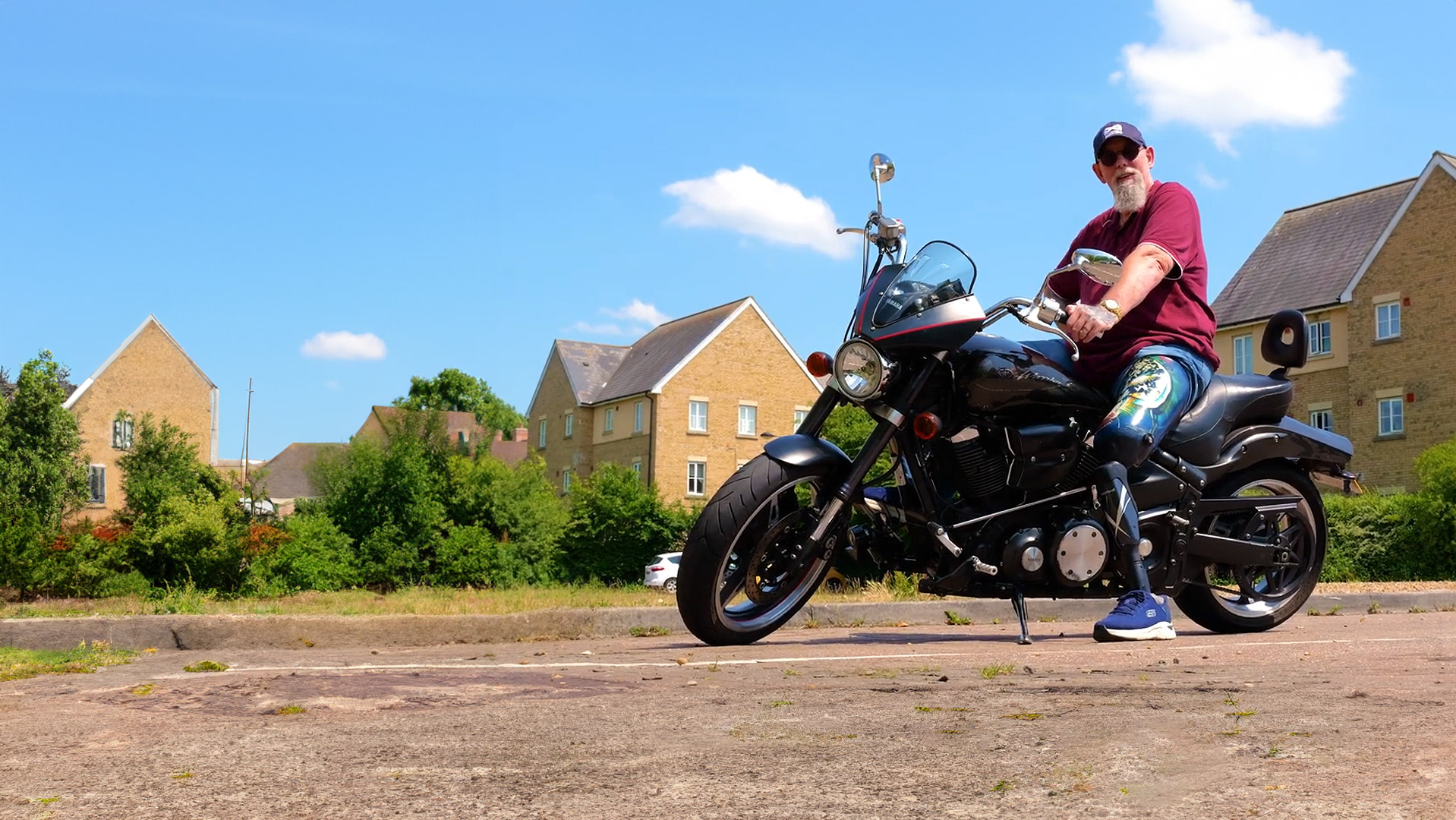
Meet Andy, Linx wearer and Blatchford product advocate.
Programming Linx just got faster and simpler with the new Linx Programming App for clinicians available on iOS and Android. With its simple to follow automated smart programming, you can complete limb set up with fewer steps whilst still having access to more advanced fine tuning if required.
This app is for clinicians who have completed a Blatchford approved training course and requires an authorisation code:
For support questions please contact Blatchford Technical Support at technical.support@blatchford.co.uk
* Compatible with all models of iPad, iPhone and iPod Touch running iOS v9 or later.
Improvements in Clinical Outcomes using Linx compared to mechanical knees
Improvements in Clinical Outcomes using Linx compared to ESR feet
Reduced risk of tripping and falls
Improved knee stability on the prosthetic side during slope descent
Improving standing balance on a slope
Reduced energy expenditure during walking
Improved gait performance
Improved ground compliance when walking on slopes
Less of a prosthetic “dead spot” during gait
Improved ground compliance when walking on slopes
Less effort on residual hip for trans-femoral amputees on varied terrains
Effects consistent over time
Brake mode during slope descent to control momentum build up
Less gait compensation movements during slope descent
Helps protect vulnerable residual limb tissue, reducing likelihood of damage
Greater contribution of prosthetic limb to support during walking
Reduced reliance on sound limb for support during walking
Better symmetry of loading between prosthetic and sound limbs during standing on a slope
Reduced residual and sound joint moments during standing of a slope
Reduced residual joint moments during standing of a slope for bilateral amputees
Less pressure on the sole of the contralateral foot
Improved gait symmetry
Patient reported outcome measures indicate improvements
Subjective user preference for hydraulic ankle
Improvements in Clinical Outcomes using Linx compared to non-microprocessor-control hydraulic ankle-feet
Improved knee stability on the prosthetic side during slope descent
Improved ground compliance when walking down slopes
Brake mode during slope descent increases resistance to dorsiflexion to control momentum build up
Assist mode during slope ascent decreases resistance to dorsiflexion to allow easier progression
Less gait compensation movements during slope descent
Greater reliance on prosthetic side for bodyweight support during slope descent
Less reliance on sound side for bodyweight support during slope descent
Less reliance on sound side for bodyweight support during slope ascent
Reduced sound joint moments during standing of a slope
Reduced residual joint moments during standing of a slope for bilateral amputees
Kaufman KR, Bernhardt KA, Symms K.
Functional assessment and satisfaction of transfemoral amputees with low mobility (FASTK2): A clinical trial of microprocessor-controlled vs. non-microprocessor-controlled knees. Clin Biomech 2018; 58: 116–122.
Campbell JH, Stevens PM, Wurdeman SR.
OASIS 1: Retrospective analysis of four different microprocessor knee types. Journal of Rehabilitation and Assistive Technologies Engineering. 2020 Nov;7:2055668320968476.
McGrath M, Laszczak P, Zahedi S, et al.
Microprocessor knees with ‘standing support’ and articulating, hydraulic ankles improve balance control and inter-limb loading during quiet standing. J Rehabil Assist Technol Eng 2018; 5: 2055668318795396.
Heller BW, Datta D, Howitt J.
A pilot study comparing the cognitive demand of walking for transfemoral amputees using the Intelligent Prosthesis with that using conventionally damped knees. Clin Rehabil 2000; 14: 518–522.
Chin T, Maeda Y, Sawamura S, et al.
Successful prosthetic fitting of elderly trans-femoral amputees with Intelligent Prosthesis (IP): a clinical pilot study. Prosthet Orthot Int 2007; 31: 271–276.
Datta D, Howitt J.
Conventional versus microchip controlled pneumatic swing phase control for trans-femoral amputees: user’s verdict. Prosthet Orthot Int 1998; 22: 129–135.
Wurdeman SR, Stevens PM, Campbell JH.
Mobility analysis of amputees (MAAT 3): Matching individuals based on comorbid health reveals improved function for above-knee prosthesis users with microprocessor knee technology. Assist Technol 2018; 1–7.
Saglam Y, Gulenc B, Birisik F, et al.
The quality of life analysis of knee prosthesis with complete microprocessor control in trans-femoral amputees. Acta Orthop Traumatol Turc 2017; 51: 466e469.
Chin T, Sawamura S, Shiba R, et al.
Energy expenditure during walking in amputees after disarticulation of the hip: a microprocessor-controlled swing-phase control knee versus a mechanical-controlled stance-phase control knee. J Bone Joint Surg Br 2005; 87: 117–119.
Datta D, Heller B, Howitt J.
A comparative evaluation of oxygen consumption and gait pattern in amputees using Intelligent Prostheses and conventionally damped knee swing-phase control. Clin Rehabil 2005; 19: 398–403.
Buckley JG, Spence WD, Solomonidis SE.
Energy cost of walking: comparison of “intelligent prosthesis” with conventional mechanism. Arch Phys Med Rehabil 1997; 78: 330–333.
Taylor MB, Clark E, Offord EA, et al.
A comparison of energy expenditure by a high level trans-femoral amputee using the Intelligent Prosthesis and conventionally damped prosthetic limbs. Prosthet Orthot Int 1996; 20: 116–121.
Kirker S, Keymer S, Talbot J, et al.
An assessment of the intelligent knee prosthesis. Clin Rehabil 1996; 10: 267–273.
Chin T, Machida K, Sawamura S, et al.
Comparison of different microprocessor controlled knee joints on the energy consumption during walking in trans-femoral amputees: intelligent knee prosthesis (IP) versus C-leg. Prosthet Orthot Int 2006; 30: 73–80.
Chin T, Sawamura S, Shiba R, et al.
Effect of an Intelligent Prosthesis (IP) on the walking ability of young transfemoral amputees: comparison of IP users with able-bodied people. Am J Phys Med Rehabil 2003; 82: 447–451.
Abdulhasan ZM, Scally AJ, Buckley JG.
Gait termination on a declined surface in trans-femoral amputees: Impact of using microprocessor-controlled limb system. Clin Biomech Bristol Avon 2018; 57: 35–41.
Chen C, Hanson M, Chaturvedi R, et al.
Economic benefits of microprocessor controlled prosthetic knees: a modeling study. J Neuroengineering Rehabil 2018; 15: 62.
Riveras M, Ravera E, Ewins D, Shaheen AF, Catalfamo-Formento P.
Minimum toe clearance and tripping probability in people with unilateral transtibial amputation walking on ramps with different prosthetic designs. Gait & Posture. 2020 Sep 1;81:41-8.
Johnson L, De Asha AR, Munjal R, et al.
Toe clearance when walking in people with unilateral transtibial amputation: effects of passive hydraulic ankle. J Rehabil Res Dev 2014; 51: 429.
Bai X, Ewins D, Crocombe AD, et al.
A biomechanical assessment of hydraulic ankle-foot devices with and without micro-processor control during slope ambulation in trans-femoral amputees. PLOS ONE 2018; 13: e0205093.
Askew GN, McFarlane LA, Minetti AE, et al.
Energy cost of ambulation in trans-tibial amputees using a dynamic-response foot with hydraulic versus rigid ‘ankle’: insights from body centre of mass dynamics. J NeuroEngineering Rehabil 2019; 16: 39.
De Asha AR, Barnett CT, Struchkov V, et al.
Which Prosthetic Foot to Prescribe?: Biomechanical Differences Found during a Single-Session Comparison of Different Foot Types Hold True 1 Year Later. JPO J Prosthet Orthot 2017; 29: 39–43.
De Asha AR, Munjal R, Kulkarni J, et al.
Impact on the biomechanics of overground gait of using an ‘Echelon’ hydraulic ankle–foot device in unilateral trans-tibial and trans-femoral amputees. Clin Biomech 2014; 29: 728–734.
De Asha AR, Munjal R, Kulkarni J, et al.
Walking speed related joint kinetic alterations in trans-tibial amputees: impact of hydraulic ’ankle’ damping. J Neuroengineering Rehabil 2013; 10: 1.
De Asha AR, Johnson L, Munjal R, et al.
Attenuation of centre-of-pressure trajectory fluctuations under the prosthetic foot when using an articulating hydraulic ankle attachment compared to fixed attachment. Clin Biomech 2013; 28: 218–224.
Bai X, Ewins D, Crocombe AD, et al.
Kinematic and biomimetic assessment of a hydraulic ankle/foot in level ground and camber walking. PLOS ONE 2017; 12: e0180836.
Alexander N, Strutzenberger G, Kroell J, et al.
Joint Moments During Downhill and Uphill Walking of a Person with Transfemoral Amputation with a Hydraulic Articulating and a Rigid Prosthetic Ankle—A Case Study. JPO J Prosthet Orthot 2018; 30: 46–54.
Struchkov V, Buckley JG.
Biomechanics of ramp descent in unilateral trans-tibial amputees: Comparison of a microprocessor controlled foot with conventional ankle–foot mechanisms. Clin Biomech 2016; 32: 164–170.
Portnoy S, Kristal A, Gefen A, et al.
Outdoor dynamic subject-specific evaluation of internal stresses in the residual limb: hydraulic energy-stored prosthetic foot compared to conventional energy-stored prosthetic feet. Gait Posture 2012; 35: 121–125.
McGrath M, Davies KC, Laszczak P, et al.
The influence of hydraulic ankles and microprocessor-control on the biomechanics of trans-tibial amputees during quiet standing on a 5° slope. Can Prosthet Orthot J; 2.
Moore R.
Effect of a Prosthetic Foot with a Hydraulic Ankle Unit on the Contralateral Foot Peak Plantar Pressures in Individuals with Unilateral Amputation. JPO J Prosthet Orthot 2018; 30: 165–70.
Moore R.
Effect on Stance Phase Timing Asymmetry in Individuals with Amputation Using Hydraulic Ankle Units. JPO J Prosthet Orthot 2016; 28: 44–48.
Sedki I, Moore R.
Patient evaluation of the Echelon foot using the Seattle Prosthesis Evaluation Questionnaire. Prosthet Orthot Int 2013; 37: 250–254.
McGrath M, Laszczak P, Zahedi S, et al.
The influence of a microprocessor-controlled hydraulic ankle on the kinetic symmetry of trans-tibial amputees during ramp walking: a case series. J Rehabil Assist Technol Eng 2018; 5: 2055668318790650.

- Andy