Mobility made possible.

Majority of amputees feel unprepared, new research finds.
Posted on Friday, 28 August 2026
Majority of amputees feel unprepared and unheard in their first prosthetic limb decisions, new research finds.
- New global survey, led by Blatchford, highlights lack of shared decision-making at a life-changing moment for lower-limb amputees
- 66% felt they had little or no input into choosing their prosthesis and most would have liked more involvement
- The vast majority experienced challenges after taking their first prosthesis home, with over a quarter saying they felt their prosthesis was not suitable for their needs
- With 3 in 4 saying support to prepare for their first appointment would have helped, Blatchford has assembled a coalition of prosthetics and amputee organisations to launch the My Prosthetic Priorities support hub for amputees
The majority of lower-limb amputees say they were not properly involved in choosing their first prosthetic limb, with many later experiencing pain, mobility problems and feeling it had been the wrong choice for them, according to a new global survey.
The survey of 572 lower-limb amputees across the UK and US1, developed by global prosthetics manufacturer, Blatchford, is believed to be the first large-scale global survey into how amputees experience choosing their first prosthesis.
The findings revealed several key problems:
- 65% said they went into their first prosthetic appointment unsure what to expect, and over a quarter (29%) felt unprepared
- 78% said being encouraged to think about what mattered most before their first appointment could have helped them choose the right prosthesis
- 50% said they didn’t experience any of the shared decision-making steps patients should expect in such a life-changing appointment, such as being asked how involved they want to be or discussing what mattered most to them
- 66% felt they had little or no input into choosing their prosthesis and 85% would have liked more involvement
These challenges had numerous consequences:
- 86% experienced challenges after taking their first prosthesis home. Among those, 63% said it was painful to wear and 45% said it limited mobility
- 72% said the challenges left them frustrated, 43% felt low or depressed, and 25% said they were less motivated in their rehabilitation
- 29% said, looking back, their prosthesis had been a poor choice for them
With approximately 7,500 lower-limb amputations taking place per year in the UK2 and 150,000 in the US3, the findings suggest many patients are still navigating one of the most important decisions of their rehabilitation journey without enough support, information or meaningful say in the outcome.
The findings build on previous research, including a 2022 University of Colorado qualitative study led by Dr. Chelsey Anderson4, which found many patients did not feel adequately involved in decisions about their prosthetic device, often leading to unmet expectations and dissatisfaction, and NHS England data, which identified perceived gaps around patient involvement, holistic care and personalisation.5
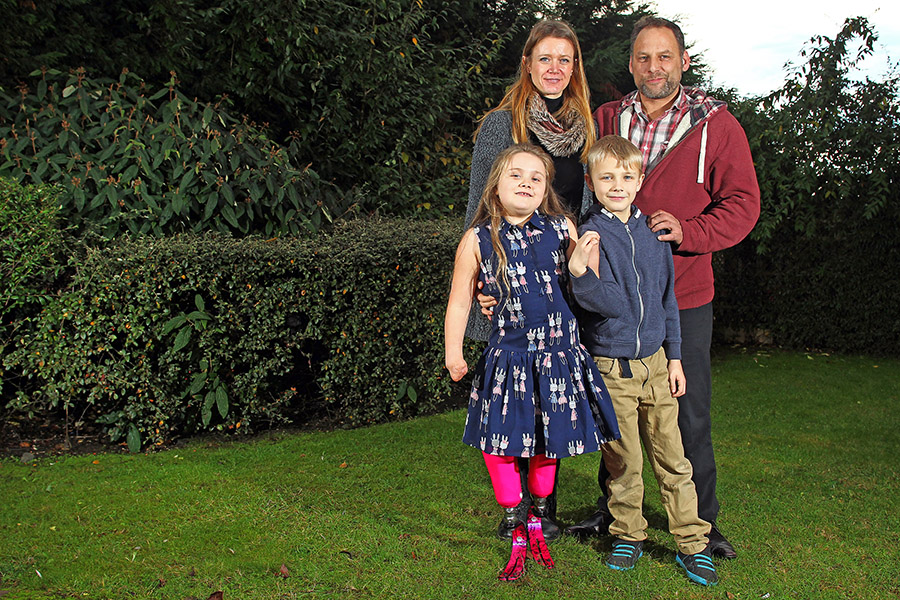
Speaking about his own experience, UK-based lower-limb amputee Sam Gostelow, 40, said: “When I attended my first appointment, I was so focused on getting back to my active life, but entering a room with at least seven people asking questions was incredibly intense.
“Even though I'd researched my prosthetic foot, I quickly realised how much I didn't understand about the realities of living with a prosthesis, from how it would actually fit and feel day-to-day, to how my needs would change over time.
“In those early stages of rehabilitation, it’s so difficult to take all the information in, and it's hard to even know what is normal or what you should be asking. The more information you have before that first appointment, the better chance you have of asking the right questions and understanding what’s right for you.”
To help address the issue, Blatchford has assembled a global coalition of amputee organisations, clinicians and expert partners and worked together with them to launch a new free support hub, My Prosthetic Priorities. Partners in the hub include the University of Colorado, Blesma, Living With Amplitude, Limbs For Life Foundation, Steel Bones and LimbPower.
The online hub aims to help people approach their first prosthetic appointment feeling informed, confident and better prepared. It features the first Decision-Making Aid for Lower Limb Amputees: a practical tool designed to help patients get the most out of their first appointment by identifying their priorities and lifestyle goals, understanding likely choices, and thinking about how they want to communicate with their prosthetist.
The hub also brings together additional trusted resources from amputee partner organisations, from advice on post-amputation care and the different types of prostheses available through to information on what other assistive aids are available. The site will continue to evolve as new insights, resources and perspectives are added.

Steve Seccombe, Chief Clinical Officer at Blatchford, said: "The survey findings show that we have not yet fully addressed pre-engagement or supported individuals in understanding the full journey from amputee to confident limb-wearer.
“Clinicians value active engagement from their patients, and these findings suggest that while many individuals want to take a more active role, they do not always feel equipped with the right information or confidence at the right time.
“My Prosthetic Priorities has been developed to better educate new users and support more effective conversations between patients, prosthetists, and the wider rehabilitation teams. This will improve understanding of the pathway to a stable clinical presentation, enabling more individuals to participate in decision-making and ultimately become independent, confident, and functional limb wearers."

Dr. Chelsey Anderson, researcher and creator of the first Decision-Making Aid for Lower Limb Amputees, said: “Many people with amputation experience major prosthesis design decisions before they’ve had the time or support to think through what matters most in their everyday lives, and how that factors into their prosthesis design.
“The Decision-Making Aid for Lower Limb Prosthetics is designed to help prepare patients to make prosthesis design decisions in partnership with their prosthetists. The Aid is designed to help patients consider relevant questions, identify and communicate their priorities as they relate to their prosthesis, and work with their prosthetist to choose an option that best supports their goals.”
A spokesperson for Blesma, Steel Bones and LimbPower said: “We know from our communities that the first prosthetic appointment can feel overwhelming. People are often dealing with huge physical and emotional change, while also trying to understand unfamiliar terminology, choices and decisions that may affect everyday life for years to come.
“That is why clear, trusted information before the appointment matters so much. My Prosthetic Priorities gives people a practical way to prepare, think about what matters to them and feel more confident asking questions when they meet their prosthetist and wider care team.”
References:
- My Prosthetic Priorities: survey of 572 lower limb amputees, conducted in the UK and USA between March and June 2026
- Specialist Physiotherapists Publish Updated Clinical Guidelines for Pre & Post Op Amputee Rehabilit…. 2017
- Lower Extremity Amputation, National Library of Medicine, 2022
- Specialised Commissioning Prosthetics Patient Survey Report, NHS England. 2019
- Improving shared decision-making for prosthetic care: a qualitative needs assessment of prosthetist…, National Library of Medicine, 2022