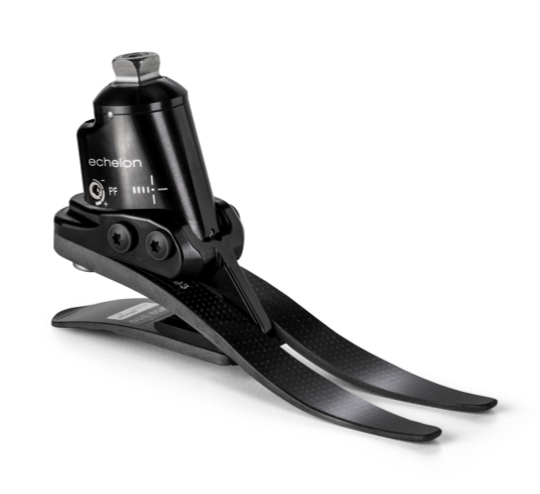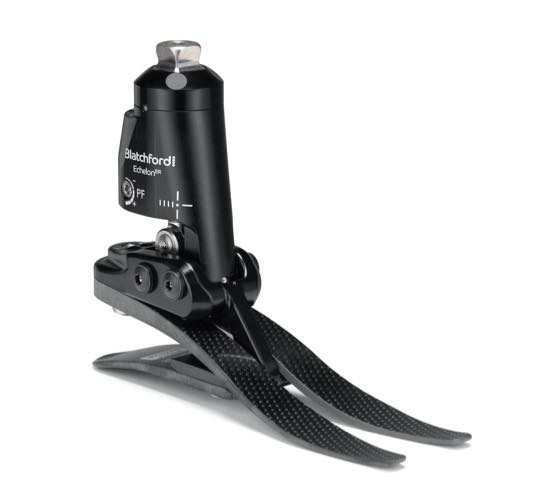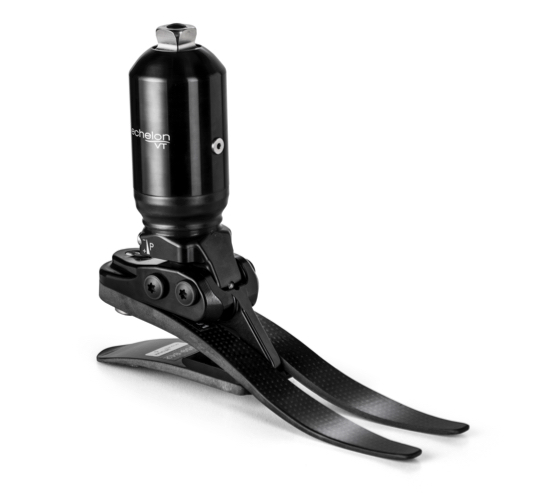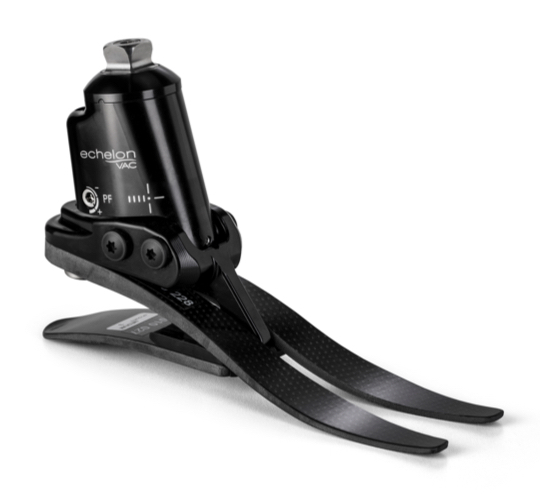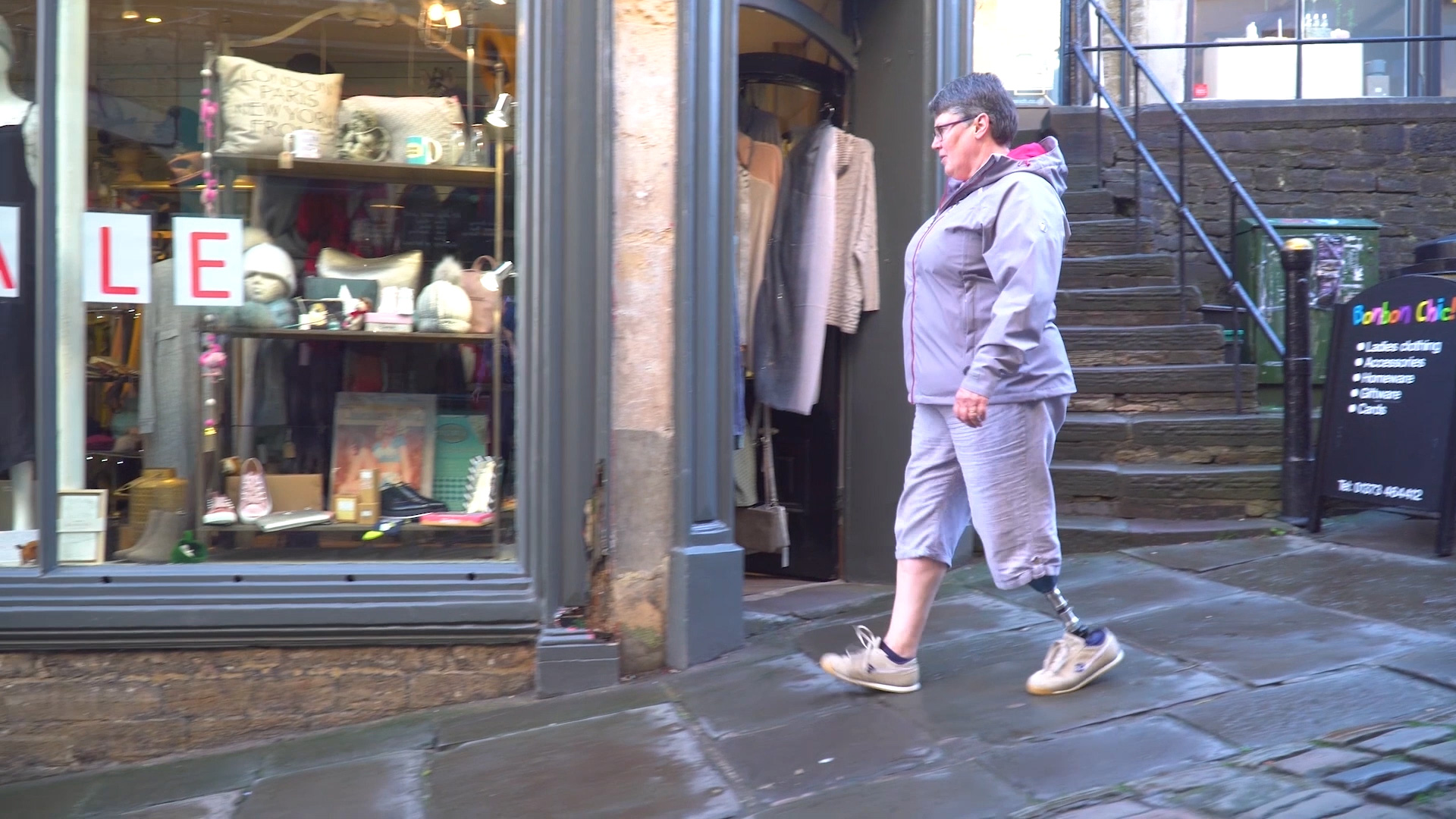
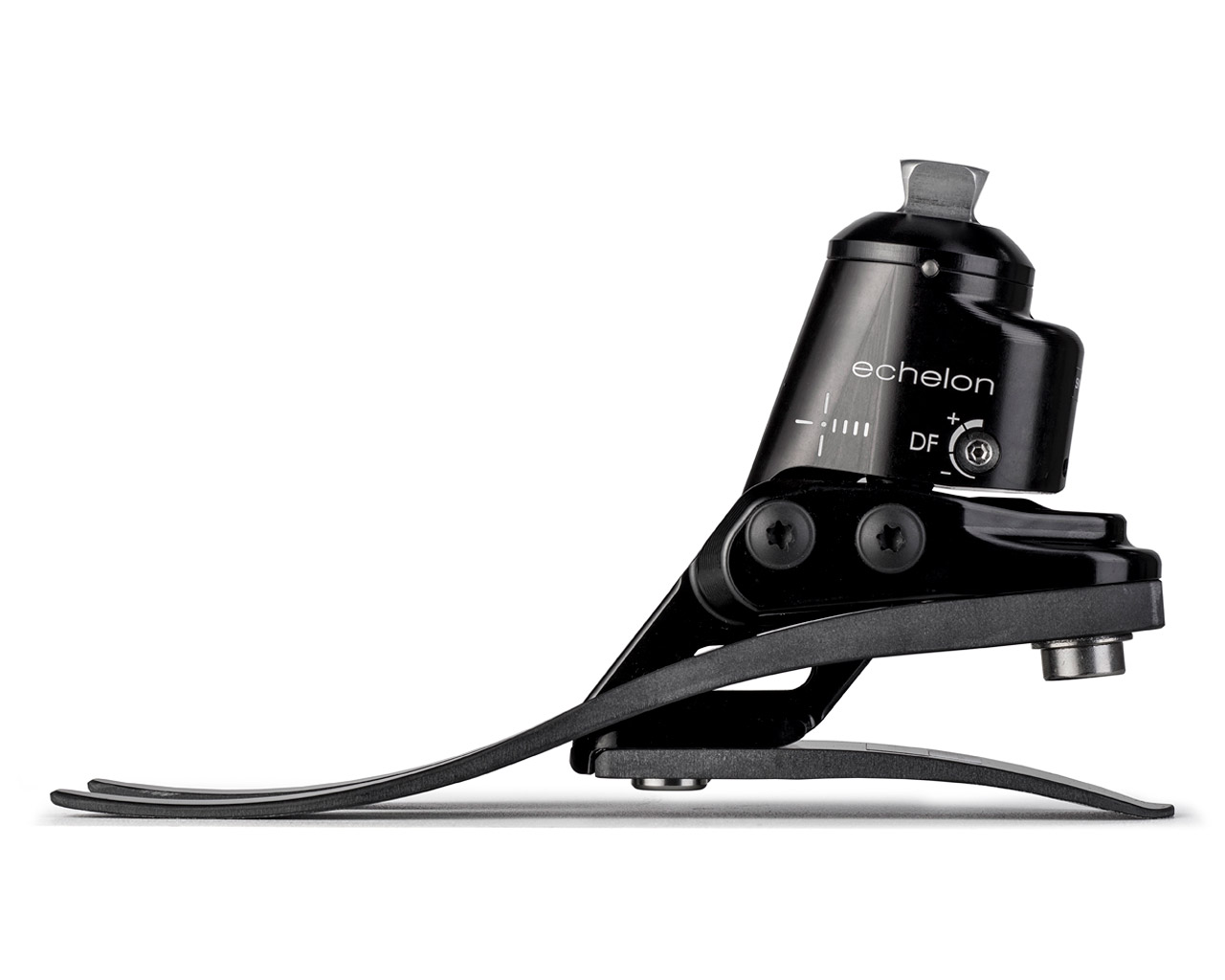

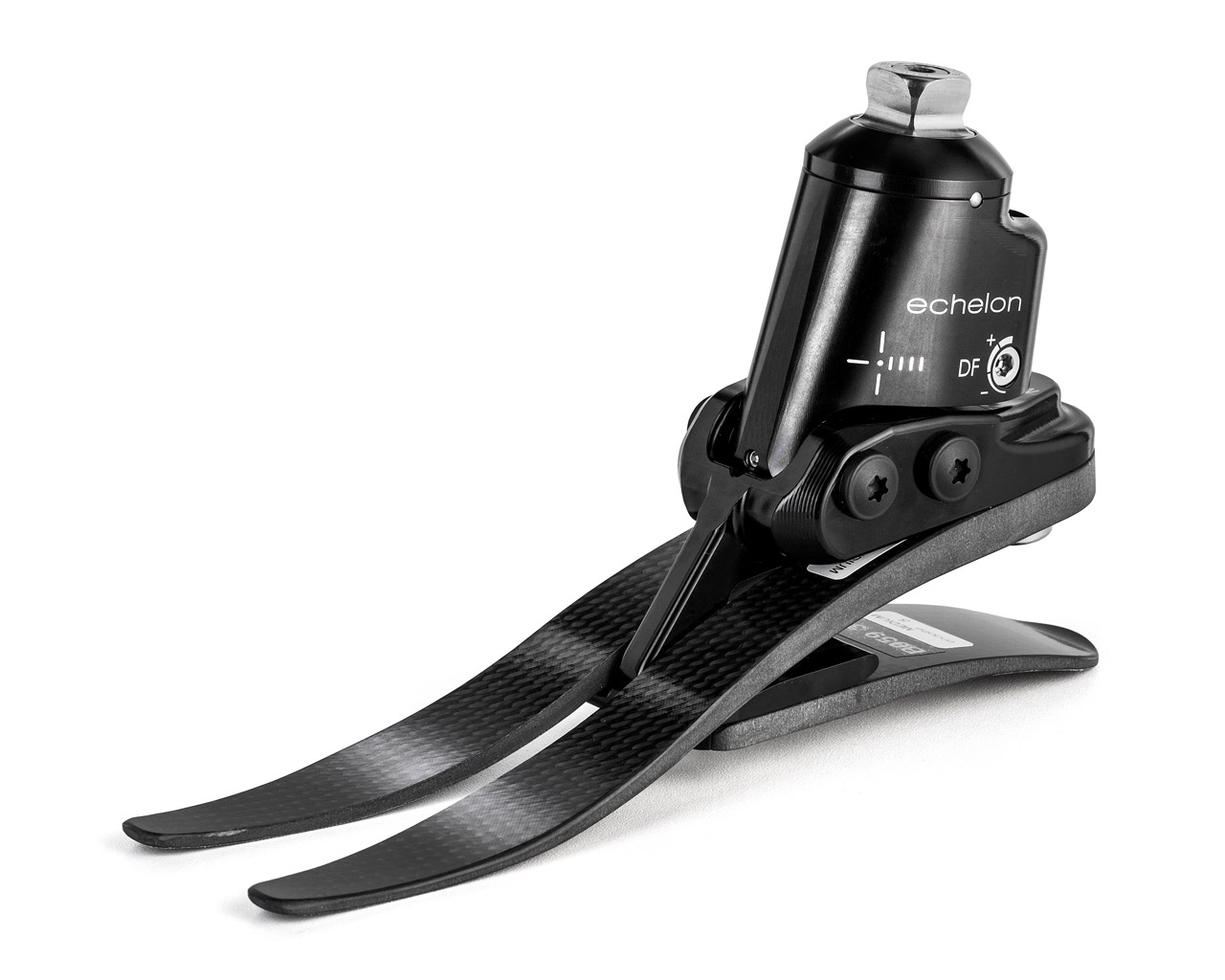

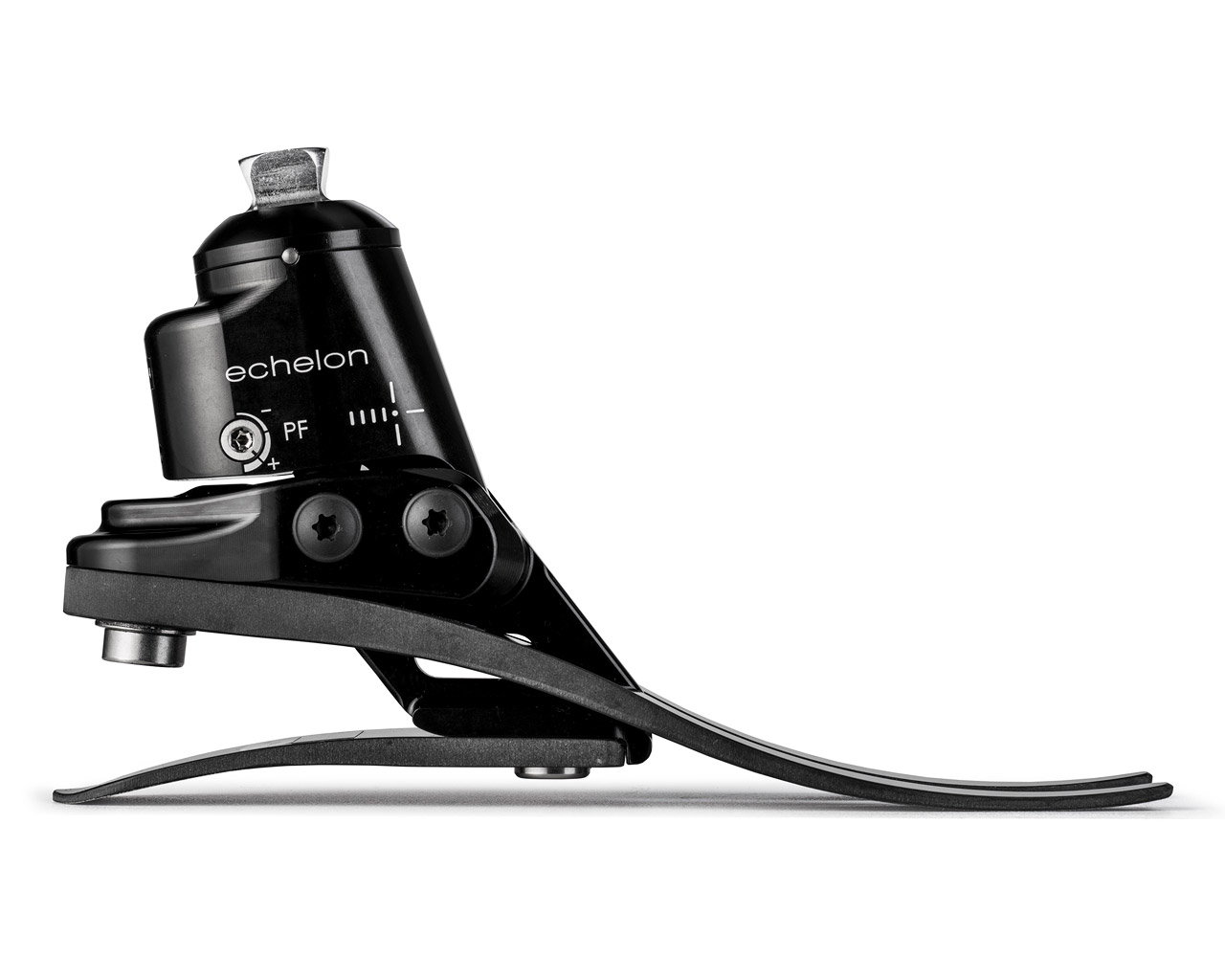
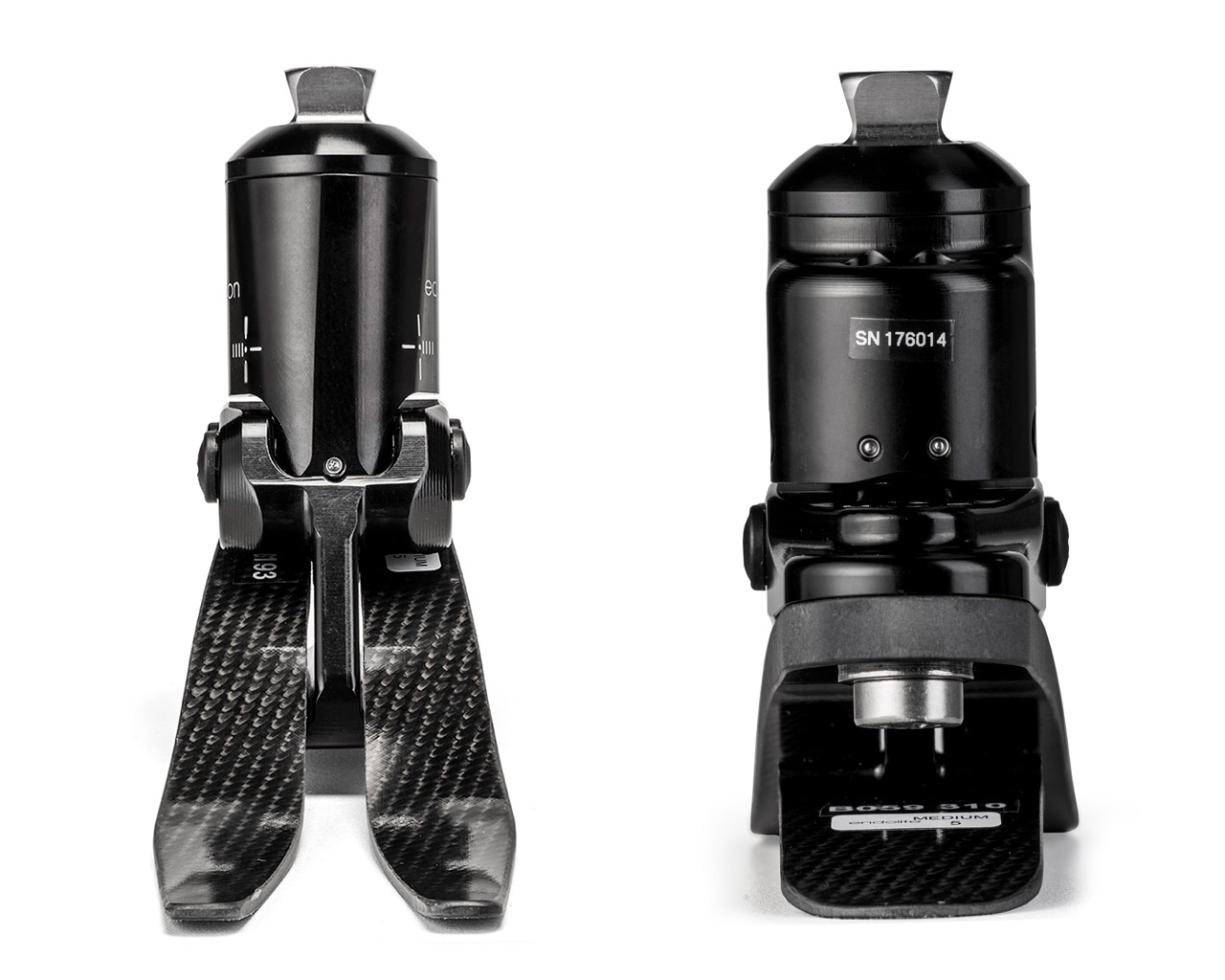


The award-winning Echelon is a waterproof prosthetic foot with a hydraulic ankle that absorbs and damps on impact, self-aligning on rough and sloping surfaces and remaining dorsiflexed at toe-off. For people with prosthetic legs these design features help to reduce abnormal pressures at the socket interface and other joints, whilst promoting comfort and postural symmetry, to help reduce the risk of falls and preserve musculoskeletal health.

  • Max. User Weight: 125kg*, 275lb*
  • Activity Level: 3
  • Size Range: 22-30cm

Meet Echelon

Unique & Proven Echelon Technology

The Echelon range sits at the heart of our pioneering prosthetic philosophy which makes our products so popular with users around the world. Created with a sharp focus on replicating a natural and safe walking experience, each product in the Echelon Range has a characteristic to suit different users and their requirements, providing confidence in every step.

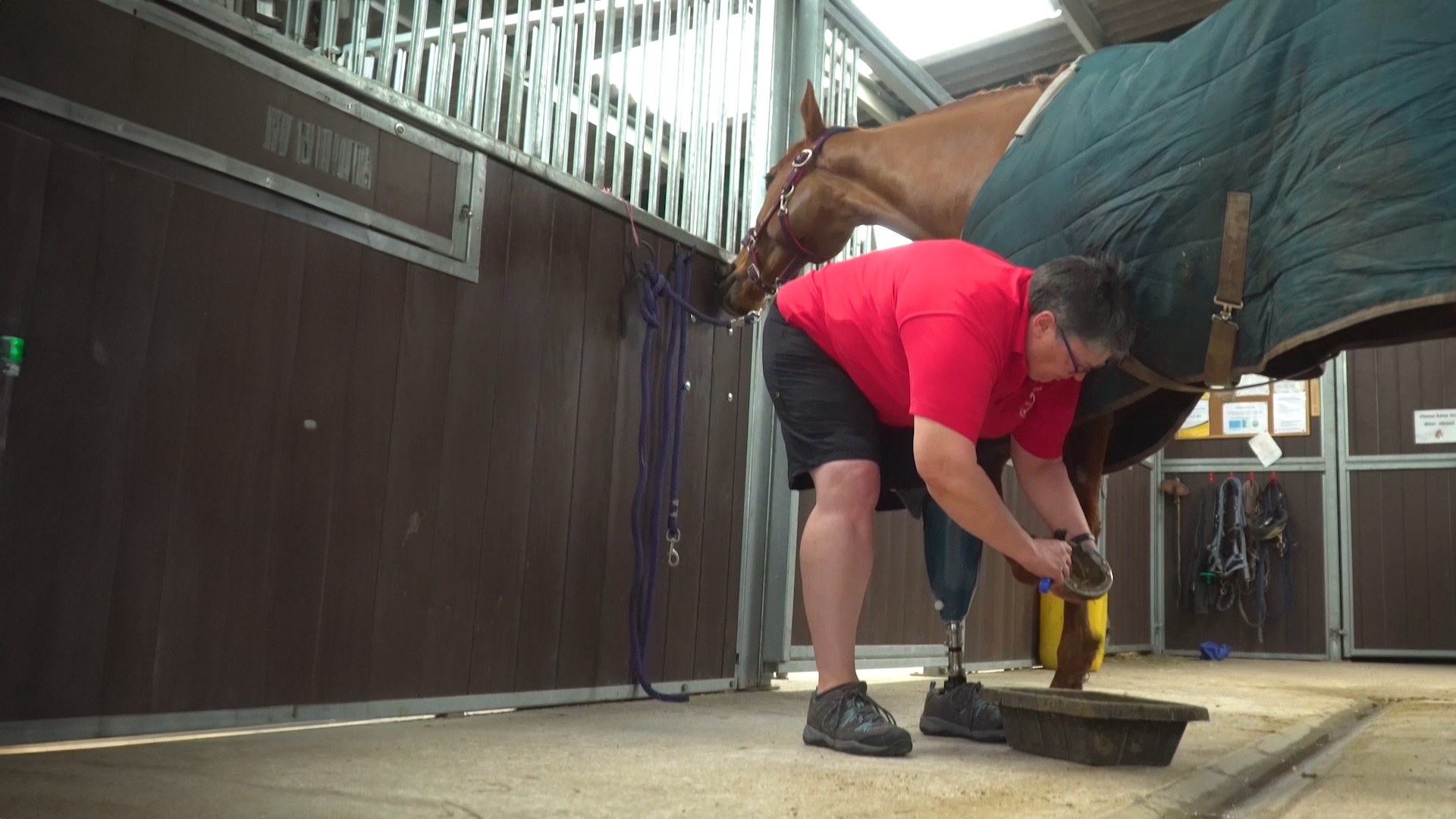
Watch the video below to discover the Echelon features that help wearers like Elaine to walk more confidently on slopes, steps, and uneven ground.

Will Echelon fit my patient?

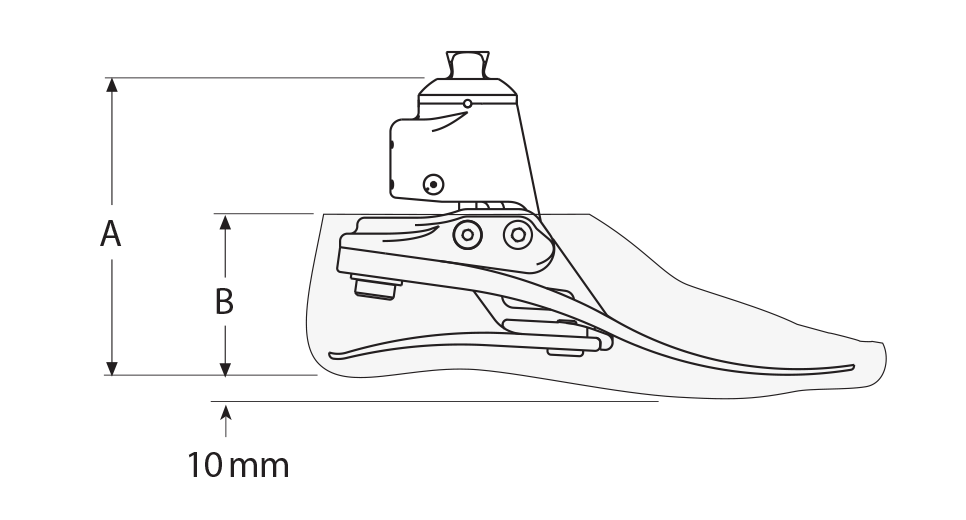
One of the most important things to consider when selecting a prosthetic foot is whether there is sufficient height clearance to accommodate the chosen prosthesis.

Here are the build height measurements for the Echelon prosthetic foot:

Size A
22-24 115mm
25-26 120mm
27-30 125mm
Size B
22-26 115mm
27-28 120mm
29-30 125mm
Echelon Height Diagram

Heel Height: 10mm

Technical Info

Technical Info

  • Max. User Weight: 125kg*, 275lb*
  • Activity Level: 3
  • Size Range: 22-30cm
  • Component Weight: 688g**, 1lb 8oz**
  • Build Height: 115-125mm, 4 17/32" - 4 59/64"
  • Heel Height: 10mm

*Maximum user weight 100kg and always use one higher spring rate category than shown in the Spring Set Selection table.
**Component weight shown is for a size 26cm without foot shell.

Key Features

Key Features

And that's not all... 👇👇👇

  • Independent hydraulic control of plantar and dorsi-flexion
  • Biomimetic design simulates natural ankle motion
  • Toe up for swing through clearance
  • Natural toe position for sitting
  • E-carbon heel and toe springs
  • Elegant and compact for cosmetic finish
  • Sandal Toe Foot Shell
  • Waterproof up to 1m submersion depth
Echelon Principle Parts1

Principle Components:

  • Hydraulic Body Assembly including pyramid (aluminum/St. Stl./titanium)
  • Carrier Assembly (aluminum/St. Stl.)
  • Heel & Toe Springs (e-carbon)
  • Spring Attachment Screws (titanium/St. Stl.)
  • Glide Sock (UHM PE)
  • Foot Shell (PU)
Echelon Principle Parts2a

Resources

Echelon Resources

Patient Case Study

Patient Case Study

A remarkable journey of resilience, perseverance, and self-discovery.

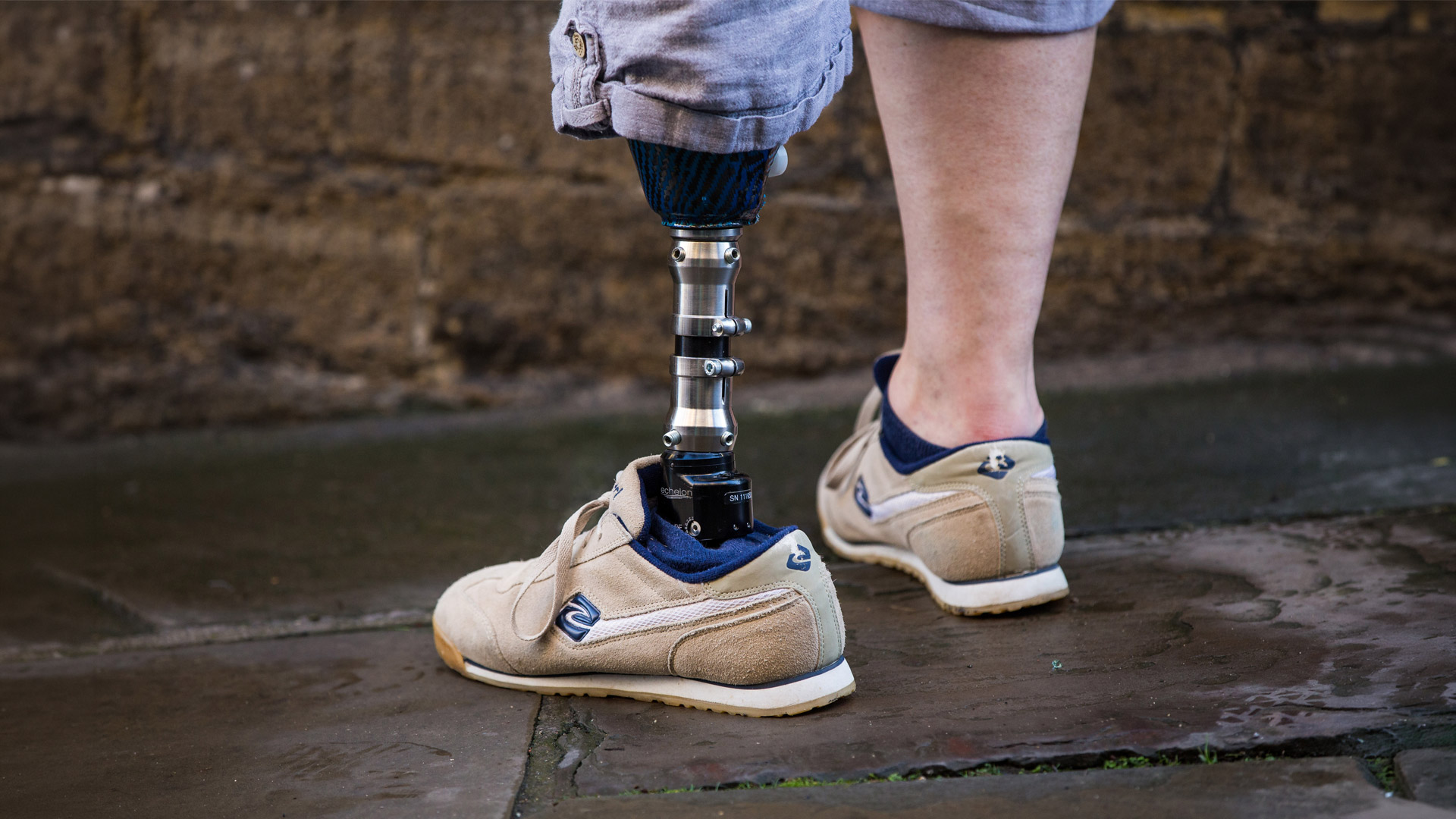
After moving from China to the UK following limb loss, Penny went on to graduate from the University of Oxford and has built a successful career at a leading investment bank in London. Penny is a huge fan of Echelon’s hydraulic technology; it supports her daily life by providing balance, comfort and a more natural walking experience. Discover how advanced prosthetic technology is empowering Penny to stay active, independent, and confident.

White Papers

Scientifically Proven

Clinical Compendium Cover 1

Clinical Compendium

Blatchford Biomimetic Hydraulic Technology mimics the dynamic and adaptive qualities of muscle actuation to encourage more natural gait. Multiple independent scientific studies, comparing Blatchford hydraulic ankle-feet to non-hydraulic feet, have shown:

  • Greater comfort, reduced socket pressures
  • Improved safety, reduced risk of trips and falls
  • Smoother, easier and more natural gait
  • More evenly balanced inter-limb loading
  • Greater satisfaction
Download
Product Download 2

Clinical Evidence

Over a decade after challenging conventional wisdom, new scientific evidence continues to be published on the medical advantages of hydraulic ankles. Discover our White Paper ‘A Study of Hydraulic Ankles’.

Download

Clinical Evidence

Echelon Clinical Evidence Reference

Improvements in Clinical Outcomes using Echelon compared to ESR feet

  • Safety

    Reduced risk of tripping and falls

    • Increased minimum toe clearance during swing phase1,2

    Improving standing balance on a slope

    • 24-25% reduction in mean inter-limb centre-of-pressure root mean square (COP RMS)3
  • Energy Expenditure

    Reduced energy expenditure during walking

    • Mean 11.8% reduction in energy use on level ground, across all walking speeds4
    • Mean 20.2% reduction in energy use on slopes, across all gradients4
    • Mean 8.3% faster walking speed for the same amount of effort4
  • Mobility

    Improved gait performance

    • Faster self-selected walking speed2,5-7
    • Higher PLUS-M scores than FlexFoot and FlexWalk style feet8

    Improved ground compliance when walking on slopes

    • Increased plantarflexion peak during level walking, fast level walking and cambered walking9
    • Increased dorsiflexion peak during level walking, fast level walking and cambered walking9

    Less of a prosthetic “dead spot” during gait

    • Reduced aggregate negative COP displacement5
    • Centre-of-pressure passes anterior to the shank statistically significantly earlier in stance5
    • Increased minimum instantaneous COM velocity during prosthetic-limb single support phase5
    • Reduced peak negative COP velocity7
    • Reduced COP posterior travel distance7

    Improved ground compliance when walking on slopes

    • Increased plantarflexion range during slope descent10
    • Increased dorsiflexion range during slope ascent10
  • Residual Limb Health

    Helps protect vulnerable limb tissue, reducing likelihood of damage

    • Reduced peak stresses on residual limb11
    • Reduced stress RMS on residual limb11
    • Reduced loading rates on residual limb11
  • Loading symmetry

    Greater contribution of prosthetic limb to support during walking

    • Increased residual knee negative work6

    Reduced reliance on sound limb for support during walking

    • Reduced intact limb peak hip flexion moment6
    • Reduced intact limb peak dorsiflexion moment6
    • Reduced intact ankle negative work and total work6
    • Reduced intact limb total joint work6

    Better symmetry of loading between prosthetic and sound limbs during standing on a slope

    • Degree of asymmetry closer to zero for 5/5 amputees3

    Reduced residual and sound joint moments during standing of a slope

    • Significant reductions in both prosthetic and sound support moments12

    Less pressure on the sole of the contralateral foot

    • Peak plantar-pressure13

    Improved gait symmetry

    • Reduced stance phase timing asymmetry14
  • User satisfaction

    Patient reported outcome measures indicate improvements

    • Mean improvement across all Prosthesis Evaluation Questionnaire domains15
    • Bilateral patients showed highest mean improvement in satisfaction15

    Subjective user preference for hydraulic ankle

    • 13/13 participants preferred hydraulic ankle13

References

  • Full Reference Listing
    1. Riveras M, Ravera E, Ewins D, Shaheen AF, Catalfamo-Formento P.

      Minimum toe clearance and tripping probability in people with unilateral transtibial amputation walking on ramps with different prosthetic designs. Gait & Posture. 2020 Sep 1;81:41-8.

    2. Johnson L, De Asha AR, Munjal R, et al.

      Toe clearance when walking in people with unilateral transtibial amputation: effects of passive hydraulic ankle. J Rehabil Res Dev 2014; 51: 429.

    3. McGrath M, Laszczak P, Zahedi S, et al.

      Microprocessor knees with “standing support” and articulating, hydraulic ankles improve balance control and inter-limb loading during quiet standing. J Rehabil Assist Technol Eng 2018; 5: 2055668318795396.

    4. Askew GN, McFarlane LA, Minetti AE, et al.

      Energy cost of ambulation in trans-tibial amputees using a dynamic-response foot with hydraulic versus rigid ‘ankle’: insights from body centre of mass dynamics. J NeuroEngineering Rehabil 2019; 16: 39.

    5. De Asha AR, Munjal R, Kulkarni J, et al.

      Impact on the biomechanics of overground gait of using an ‘Echelon’hydraulic ankle–foot device in unilateral trans-tibial and trans-femoral amputees. Clin Biomech 2014; 29: 728–734.

    6. De Asha AR, Munjal R, Kulkarni J, et al.

      Walking speed related joint kinetic alterations in trans-tibial amputees: impact of hydraulic’ankle’damping. J Neuroengineering Rehabil 2013; 10: 1.

    7. De Asha AR, Johnson L, Munjal R, et al.

      Attenuation of centre-of-pressure trajectory fluctuations under the prosthetic foot when using an articulating hydraulic ankle attachment compared to fixed attachment. Clin Biomech 2013; 28: 218–224.

    8. Wurdeman SR, Stevens PM, Campbell JH.

      Mobility analysis of AmpuTees (MAAT 5): Impact of five common prosthetic ankle-foot categories for individuals with diabetic/dysvascular amputation. J Rehabil Assist Technol Eng 2019; 6: 2055668318820784.

    9. Bai X, Ewins D, Crocombe AD, et al.

      Kinematic and biomimetic assessment of a hydraulic ankle/foot in level ground and camber walking. PLOS ONE 2017; 12: e0180836.

    10. Bai X, Ewins D, Crocombe AD, et al.

      A biomechanical assessment of hydraulic ankle-foot devices with and without micro-processor control during slope ambulation in trans-femoral amputees. PLOS ONE 2018; 13: e0205093.

    11. Portnoy S, Kristal A, Gefen A, et al.

      Outdoor dynamic subject-specific evaluation of internal stresses in the residual limb: hydraulic energy-stored prosthetic foot compared to conventional energy-stored prosthetic feet. Gait Posture 2012; 35: 121–125.

    12. McGrath M, Davies KC, Laszczak P, et al.

      The influence of hydraulic ankles and microprocessor-control on the biomechanics of trans-tibial amputees during quiet standing on a 5° slope. Can Prosthet Orthot J; 2.

    13. Moore R.

      Effect of a Prosthetic Foot with a Hydraulic Ankle Unit on the Contralateral Foot Peak Plantar Pressures in Individuals with Unilateral Amputation. JPO J Prosthet Orthot 2018; 30: 165–70.

    14. Moore R.

      Effect on Stance Phase Timing Asymmetry in Individuals with Amputation Using Hydraulic Ankle Units. JPO J Prosthet Orthot 2016; 28: 44–48.

    15. Sedki I, Moore R.

      Patient evaluation of the Echelon foot using the Seattle Prosthesis Evaluation Questionnaire. Prosthet Orthot Int 2013; 37: 250–254.

The Echelon Product Range

Elaine - Echelon foot wearer

“When I got the Echelon it was just amazing, it felt like I could walk normally again. It felt more like part of me, rather than something just stuck onto the bottom of my leg."

- Elaine, road traffic accident survivor